2026 Student Academic Success Research Grant recipients announced
The Student Success Research Lab has awarded five recipients for the 2026 Student Academic Success Research (SASR) Grants. Winning proposals received top marks for methodological quality and practical importance from a panel representing multiple colleges, units, and campuses across the university, with a focus on ensuring that each funded project has clear and practical implications for the design, implementation, engagement, or scale-up of practices to improve Ohio State student success.
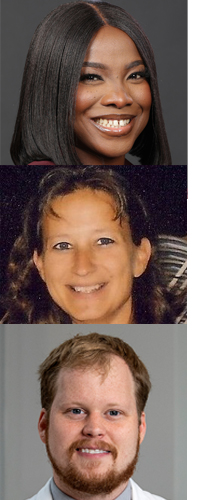 Bottlenecks and Breakthroughs: A Multi‑Method Investigation of Chemistry Preparation Programs in BSPS Student Retention
Janet Antwi, senior lecturer, Division of Pharmacy Education and Innovation
Leslie Newman, co-principal investigator, assistant dean for undergraduate studies; assistant professor, Division of Pharmacy Education and Innovation
Nicholas Denton, co-principal investigator; senior lecturer, Division of Pharmacy Education and Innovation
Examines how chemistry preparation programs (including peer tutoring, a summer bridge program, and a companion course) influence Pharmacy students’ chemistry course performance and progression through the chemistry sequence. The study also considers how students navigate academic challenges and use available resources to succeed in upper-division chemistry coursework.
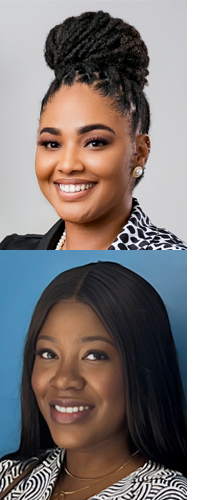 Improving STEM Gateway Courses at Ohio State: Understanding Student-Centered Instruction and Learning Experiences
Raeshan Davis, research scientist and program manager, Success In Science Initiative;
Semilore Adelugba, co-principal investigator; postdoctoral researcher, Success In Science Initiative
Examines how student-centered instructional strategies in gateway biology, chemistry, and mathematics courses shape undergraduates’ learning experiences and academic outcomes. The study explores how these approaches relate to students’ motivation, self-regulation, STEM identity, and help-seeking behaviors; how students navigate different sources of support; and how instructors’ practices and perspectives influence classroom experiences, with the goal of identifying strategies that enhance engagement, learning, and persistence in STEM pathways.
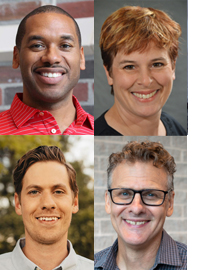 Examining Undergraduate Student Success within the Context of AI Fluency
Edward C. Fletcher, Jr., Education and Human Ecology Distinguished Professor, Department of Education Studies
Lisa Cravens-Brown, co-principal investigator; associate vice chair for instruction, Department of Psychology
Zac Patterson, co-principal investigator; assistant director of research, Michael V. Drake Institute for Teaching and Learning
Rick Voithofer, co-principal investigator; associate professor and Center for Digital Learning and Innovation director, Department of Education Studies
Examines how students in an introductory psychology course experience the university’s implementation of AI Fluency. It explores how prior digital experiences and perceptions of AI shape students’ engagement, confidence, tool use, and help-seeking; investigates student anxieties related to AI responsible use; and considers how institutional messaging about AI use and academic integrity may ease or deepen those anxieties.
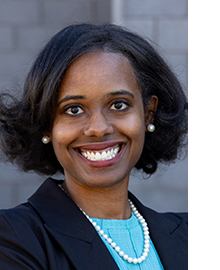 Assessing Graduate Student Mentoring Experiences
Brianna Johnson, assistant dean for mentoring and strategic initiatives, Graduate School
Examines how graduate students experience and navigate mentoring relationships with faculty advisors and how these relationships shape their plans to persist in their programs. The study also explores how mentoring experiences vary across fields of study and student backgrounds, and considers how faculty advisors approach and sustain these relationships.
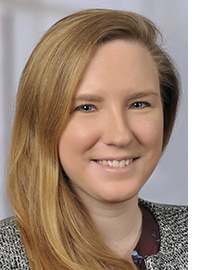 Evaluating Early Surgical Mentorship and Research Experiences on Student Career Development: An Ohio State Mixed-Methods Study
Tasha Posid, assistant professor, Department of Urology
Examines how structured summer mentorship and research experiences shape Ohio State medical students’ interest in surgical careers, academic self-efficacy, and preparedness for future training. It explores which aspects of mentorship, research engagement, and professional networking students perceive as most influential to their development; identifies barriers to accessing early surgical career exploration opportunities; and considers which program features most effectively support student engagement, scholarly productivity, and sustained interest in surgical education and research.